
What items should I avoid packing when moving to a new home?
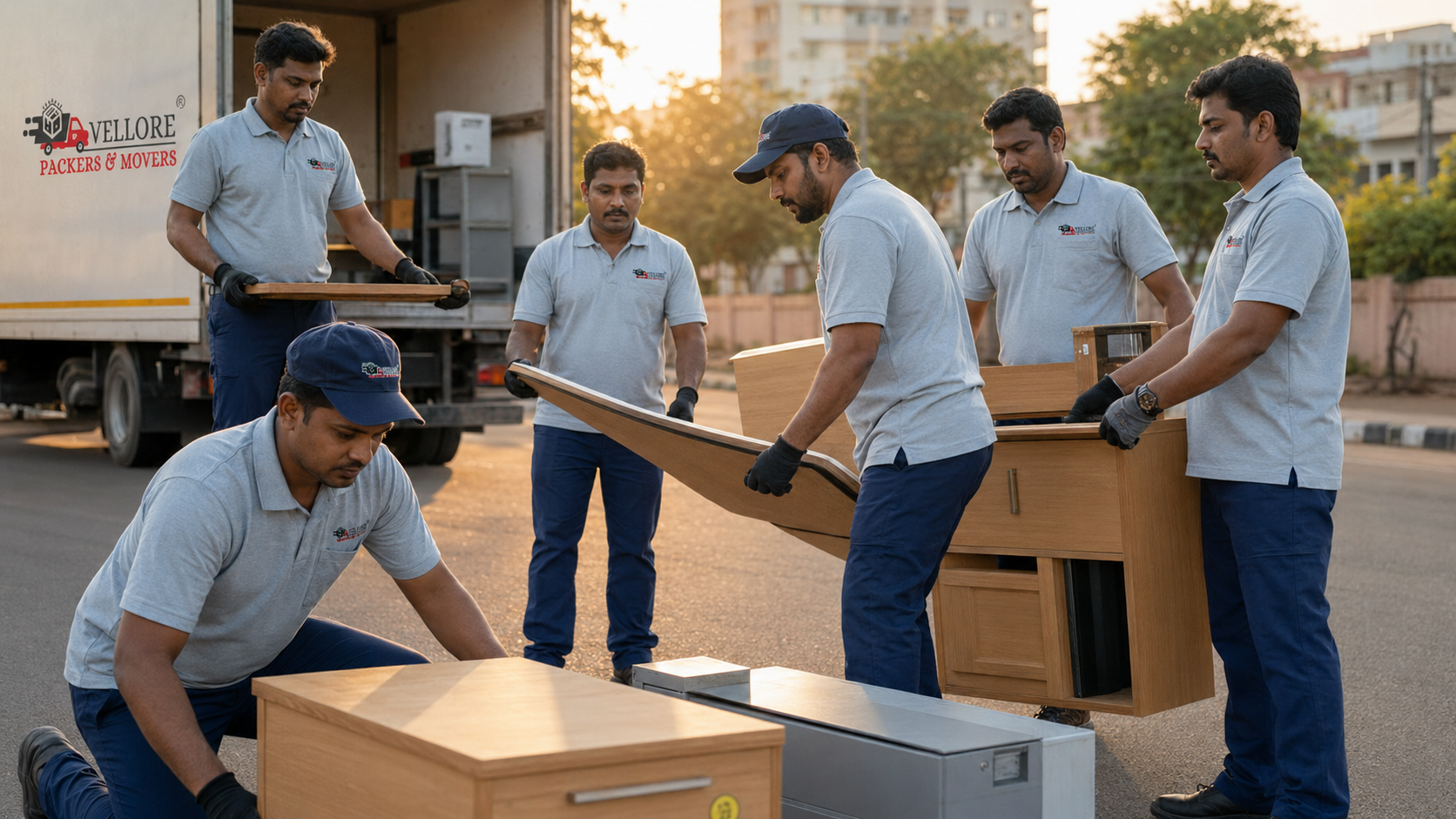
What items should I avoid packing when moving to a new home?
In short:
Avoid packing hazardous materials, perishable food, important documents, and high-value valuables with your regular moving boxes. Vellore Packers and Movers recommends keeping documents and valuables with you personally, disposing of perishables beforehand, and separating hazardous items entirely since movers are not permitted to transport them. Planning ahead for these items ensures a smoother, safer relocation process.
Introduction
Moving to a new home involves more than just boxing up belongings. Many people unknowingly pack items that professional movers cannot transport, leading to last-minute complications or safety risks during transit.
Vellore Packers and Movers has helped numerous households across Vellore relocate smoothly, and one recurring issue is confusion around which items should be set aside rather than packed with the rest of the household goods.
This guide covers exactly what to avoid packing when moving, why these restrictions exist, and how to handle these items separately for a safe, efficient relocation.
What Items Should Be Avoided When Packing for a Move?
Certain items fall into categories that either pose safety risks during transport or require special handling that standard moving services don’t cover. Understanding these categories in advance helps avoid delays and complications on moving day.
Hazardous materials top the list, as these can pose serious risks if they leak, ignite, or react during transport. Perishable food items also don’t survive the moving process well, and prohibitions on transporting them protect against spoilage inside the moving vehicle.
Important documents and high-value valuables require a different handling approach entirely, not because movers refuse them, but because personal transport reduces the risk of loss or damage during a long moving day.
Fragile items, while not always prohibited, often need special packing consideration or personal transport if their value or sentimental importance makes potential damage unacceptable
How to Sort Items Before a Move
- Identify Hazardous Materials Set aside items like propane tanks, paints, cleaning chemicals, and aerosols, as movers are not permitted to transport these.
- Separate Perishable FoodPlan to consume, donate, or discard perishable groceries in the days leading up to the move rather than packing them.
- Gather Important Documents Collect passports, property papers, certificates, and financial documents to carry personally rather than placing them in moving boxes.
- Set Aside High-Value Valuables Jewelry, cash, and small valuable items should travel with you directly instead of in the moving truck.
- Review Fragile and Sentimental Items Decide which delicate or irreplaceable items you'd prefer to transport personally for extra peace of mind.
- Check with Your Moving Company Confirm the specific list of restricted items with your movers, as policies can vary slightly between companies.
- Label Personal Transport Items Keep everything you're carrying yourself organized and separate from items being loaded onto the moving truck.
- Final Walkthrough Do a last check of your home to ensure nothing hazardous or restricted has accidentally been packed into moving boxes.
Key Categories of Items to Avoid Packing
Hazardous Items — Propane tanks, gasoline, paints, and cleaning chemicals pose fire or leak risks and are not permitted in moving trucks.
Perishable Food — Fresh produce, frozen items, and refrigerated goods can spoil during transit and should be consumed or discarded before the move.
Important Documents — Passports, property deeds, and financial records should be carried personally to prevent loss during relocation.
Valuables — Jewelry, cash, and small high-value items are safer transported directly by the owner rather than in a moving truck.
Fragile Sentimental Items — Irreplaceable items with sentimental value are often better handled personally, even if not strictly prohibited.
Plants — Depending on distance and regulations, live plants may not survive standard transport conditions well.
Why This Matters for a Safe Move
Packing prohibited items isn’t just an inconvenience, it can create genuine safety risks during transport. Hazardous materials stored in an enclosed moving truck for hours can pose fire or chemical exposure risks, particularly during Vellore’s warmer months when vehicle interiors heat up quickly.
Beyond safety, avoiding these packing mistakes protects your belongings’ condition and value. Perishable items left in transit can create mess and odor affecting other household goods, while lost documents or valuables can create significant stress and complications after the move.
Working with an experienced moving company that clearly communicates these restrictions upfront helps prevent surprises on moving day, keeping the entire relocation process smoother and safer.
Fast, Safe, and Reliable Packers and Movers in Katpadi
Services Offered by Vellore Packers and Movers
Vellore Packers and Movers provides a range of relocation services designed to make household and office moves efficient and stress-free.
House Shifting Services — Complete household relocation with careful handling of belongings. Explore house shifting services.
Packing Services — Professional packing that protects items during transit while following safety guidelines. View packing services.
Loading and Unloading Services — Careful handling of belongings at both the origin and destination. Check loading and unloading services.
Warehousing — Secure storage solutions for belongings that need temporary storage during a move. Learn about warehousing.
Office Shifting Services — Specialized relocation services for business and office moves. See office shifting services.
For those planning a move, learning more about Vellore Packers and Movers or reaching out via the contact page is a good starting point.
Why Choose Vellore Packers and Movers
Clear Communication — Upfront guidance on restricted items helps customers prepare properly before moving day.
Experienced Handling — Trained staff know how to pack and transport household goods safely and efficiently.
Comprehensive Services — From packing to warehousing, services cover every stage of the relocation process.
Local Expertise — Familiarity with Vellore’s roads, logistics, and regional considerations ensures smoother moves.
Safety-Focused Approach — Adherence to safety guidelines around hazardous and restricted items protects both belongings and transport staff.
If you’re planning a move, visit the Vellore Packers and Movers homepage to learn more about available services.
Conclusion:
Knowing which items to avoid packing when moving helps prevent safety hazards, damaged belongings, and last-minute complications on moving day. Hazardous materials, perishables, important documents, and valuables all require special handling separate from your standard moving boxes.
Vellore Packers and Movers guides customers through every stage of the relocation process, ensuring a safe and organized move. Get in touch with Vellore Packers and Movers to plan your upcoming relocation.
Frequently Asked Questions (FAQs)
What items should I avoid packing when moving to a new home?
Avoid packing hazardous materials, perishable food, important documents, and high-value valuables with your regular household boxes; these require separate handling.
Why can't movers transport hazardous materials?
Hazardous materials like propane, gasoline, and certain chemicals pose fire and safety risks during transport, which is why moving companies are restricted from carrying them.
Should I carry important documents myself during a move?
Yes, documents like passports, property papers, and financial records should be kept with you personally rather than packed in moving boxes.
What should I do with perishable food before moving?
Perishable food should be consumed, donated, or discarded in the days leading up to the move, as it isn’t suitable for transport.
Are fragile items completely prohibited from moving trucks?
No, fragile items aren’t prohibited, but many people choose to transport particularly delicate or sentimental items personally for added peace of mind.